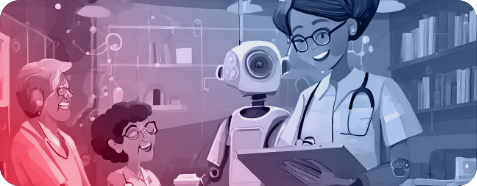

AI assisted device for delirium detection and diagnosis
The Problem
The Solution
The Opportunity
About 10,000 baby boomers are turning 65 every day! The U.S. population is older today than it has ever been. Memory and physical challenges are commonly seen with age and frailty. This raises challenges for the person with the disability and their family members. As per the CDC, one in five adults provided care or assistance to a friend or family member in the past 30 days. One in ten adults is providing care to a person with dementia. By 2050, the number of Americans living with dementia is expected to triple. The total lifetime cost of care for a patient with dementia is estimated to be $321,780 in 2015 dollars. Up to 89% of patients with dementia may develop delirium, which is an acute change in cognition and awareness and usually a sign of a new illness. The Worldwide Delirium market in 2022 was approximately $250M and is expected to double by 2030.
The market for delirium treatment includes various components such as pharmaceuticals, medical devices, and services aimed at diagnosing, managing, and preventing delirium. This market encompasses medications used to treat underlying causes of delirium, sedatives, antipsychotics, and other drugs to manage symptoms, as well as non-pharmacological interventions such as environmental modifications and cognitive therapies.
Status
The SeVA platform is primarily software although there is necessary hardware in the form of sensors and communications devices that are required.
Sensors provide data that can be used for response analysis, voice analysis, HRV analysis etc. Using AI and Natural Language processing, the SeVA platform can predict and diagnose delirium.
Currently early versions of the software have been developed and integrated with various hardware items to perform early stage testing.
Meet the Team

Nimit Agarwal MD
College of Medicine - Phoenix

Sumit Agarwal PhD
College of Medicine - Phoenix

Steven Wood MS, MBA
Tech Launch Arizona
Contact us today.

Check out more Digital Health startups.
View All Startups & Inventions