Low-cost polymer catalyst to produce hydrogen

We’ve developed a low-cost polymer catalyst designed to replace platinum in water splitting, dramatically increasing hydrogen production rates while reducing capital costs — with broad applicability across electrolysis systems.
Contact About This Opportunity
Contact
Alex Damiano MS
Mgr, Venture Development , Tech Launch Arizona

The Problem

Hydrogen (H2) is essential for producing fertilizer, refining petroleum, and creating methanol, the three pillars of the global energy and food supply chains. Currently, half of the world’s hydrogen is dedicated to fertilizer production alone. Without it, a significant fraction of the global population would face starvation due to plummeting crop yields and soaring food prices. Today, most hydrogen is produced through Steam Methane Reforming (SMR). This is an expensive, energy-intensive process where methane (natural gas) reacts with steam to produce hydrogen with carbon dioxide as a waste product. This process consumes 2% of global energy and contributes significantly to depletion of natural gas and oil reserves and to environmental degradation.

The Solution

Researchers at the University of Arizona have developed a breakthrough method to extract hydrogen from water via electrolysis using cost-efficient, earth-abundant materials. They were inspired in their discovery by natural enzymes that produce hydrogen rapidly under mild ambient conditions using iron and sulfur, two of the most abundant elements on Earth. Electrolysis is simple and "clean," but today electrolysis of water typically relies on platinum, a rare and expensive catalyst that makes large-scale manufacturing cost prohibitive. The University of Arizona team has discovered how to mimic the ability of enzymes to use iron and sulfur to produce hydrogen. By moving electrons at lower energy levels to reconfigure chemical compositions with their “artificial enzyme”, this method remains as clean and energy efficient as traditional electrolysis but at a fraction of the cost. The results are high-performance; the prototype cell creates 250,000 molecules of hydrogen per catalyst site per second, outperforming natural enzymes by 25x.

The Opportunity

The market potential is massive. According to Precedence Research, the global hydrogen market was valued at $262.13 billion in 2024 and is projected to reach approximately $556.56 billion by 2034. The Asia-Pacific region currently dominates with a 36% market share. With strong forecasted growth and the increasing number of hydrogen applications, the entire industry is struggling to balance increasing needs with financial reality, creating an infrastructure gap that must be addressed by emerging technologies.

University of Arizona researchers are uniquely positioned to bridge this gap. By commercializing this iron-sulfur electrolysis method, manufacturers can access a scalable, hydrogen solution that offers cost efficiency without the typical environmental or financial tradeoffs.

Status

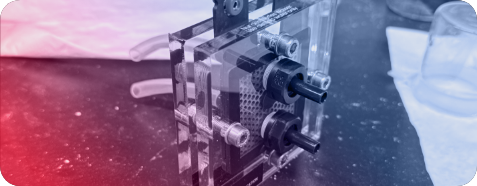
Currently, the team has developed a working demo to show the efficacy of the iron-sulfur electrolysis method. The team has thoroughly researched the chemistry and material components but needs engineering assistance to ready their designs and bring the product to market. The goal is to replicate and increase the size of the cell while maintaining its production capability.

Meet the Team

Dennis Lichtenberger PhD

Dennis Lichtenberger PhD

Professor
College of Science
Steven Wood MS, MBA

Steven Wood MS, MBA

Mentor
Tech Launch Arizona

Contact us today.

Talk to a Tech Launch Arizona Venture Development Manager to learn more and get connected to the inventor.
Contact Us Startup

Alex Damiano MS

Mgr, Venture Development
Tech Launch Arizona